EN
Requirement Consultation
Communicate your display size, material, structure, brand logo and store-scene requirements.

2026/10/27
Whether standing inside a bustling bank lobby, a specialized clinic reception area, or an international travel agency, the main obstacle to sharing information is messy surfaces. When promotional flyers, trifold brochures, and product booklets sit flat on a reception desk, they quickly get buried under keyboards, coffee mugs, and loose paperwork. Over the course of a single morning, clients picking up and dropping paperwork bend the corners of the flyers, making the promotional material look worn-out and unappealing. This visual mess makes visitors ignore the print media entirely, causing companies to lose out on high-converting client engagements. Placing promotional tri-folds inside neat, upright acrylic brochure holders solves this front-desk problem. By lifting valuable literature off the flat desk and positioning it vertically, a tabletop pamphlet display holds each brochure crisp, upright, and perfectly protected from messy counter spills and folded corners.
The primary goal of print marketing is to grab the customer's attention in the critical few seconds while they wait for service. If a paper organizer has dark opaque borders or heavy wood grain, it blocks the lower half of the flyer cover, hiding important call-to-action headlines and brand graphics. A high-quality acrylic brochure holders system utilizes ninety-two percent optically clear PMMA material, offering a completely frameless view of the marketing materials inside. The transparent design lets the colorful cover art on your pamphlets serve as its own visual advertisement, instantly catching the attention of shoppers from several feet away. Retail studies reveal that information flyers housed inside clear brochure display pockets see up to a thirty-five percent higher collection rate compared to materials laid out in opaque cardboard containers, showing that visual clarity directly drives customer action.
The difference between premium desk organizers and cheap disposable plastic stands lies in the optical grade of the acrylic and the factory edge finishing. Cheap imported brochure pockets often use recycled polystyrene or thin injection-molded plastics that carry noticeable waves and surface swirl marks. These low-grade materials yellow quickly under fluorescent ceiling lights and shatter easily when knocked onto hardwood office floors. Premium acrylic brochure holders are crafted from top-grade extruded acrylic sheets that resist yellowing for five to eight years. During manufacturing, the raw cut edges of the tabletop pamphlet display pass through high-speed diamond polishing machines. This step shaves away microscopic burrs to create a perfectly smooth, beveled, and glass-like edge. This attention to detail protects visiting clients from sharp plastic cuts while ensuring the clear brochure display stays crystal clear under bright lobby lighting.
Real-world commercial deployments show that professional brochure stands directly improve client communication and increase brand inquiry rates. A regional dental clinic network operating forty locations wanted to boost patient sign-ups for their premium cosmetic dental procedures. Previously, informative brochures sat in disorganized piles on end tables in the waiting rooms, with most patients ignoring them. The clinic upgraded to custom three-tier countertop acrylic brochure holders featuring integrated business card pockets. This organized tabletop pamphlet display grew informative leaflet distribution by thirty-five percent within sixty days, leading to a twenty-four percent increase in cosmetic treatment inquiries. Similarly, a luxury real estate agency in New York placed single-pocket clear brochure display units on marble entrance pillars. This sleek, invisible presentation matched their high-end branding and significantly grew property brochure takeaways by high-net-worth buyers.
A commercial-grade tabletop pamphlet display must combine space-saving footprints with sturdy, tip-proof physical design. High-capacity clear brochure display units utilize smart tiered steps, placing three or four pockets vertically behind one another while overlapping them slightly. This clever geometry lets a four-tier organizer hold eighty full-sized leaflets while occupying a compact desk space. To prevent the acrylic brochure holders from sliding on slick glass counters, the bottom bases are designed with non-slip silicone feet. Furthermore, many models feature dual-use design, adding precision-drilled keyhole slots along the back plate. This allows the same tabletop unit to mount securely onto drywall, creating a sleek wall-mounted literature rack when desk space is at a premium.
Sourcing thousands of high-quality acrylic brochure holders on schedule for national corporate office upgrades requires a manufacturer with advanced automation and customization capabilities. YSY Display specializes in designing and fabricating commercial-grade clear brochure display solutions tailored to exact company brand guidelines. Utilizing CNC routing, precision line-bending, and high-resolution silk-screen and UV printing, YSY Display can permanently print your corporate logo, contact information, or seasonal marketing slogans directly onto the clear front panel. The engineering team at YSY Display packs every shipment using protective flat-pack scratch-resistant films and individual bubble bags, ensuring your tabletop pamphlet display arrives scratch-free and ready for use. By combining beautiful design, polished craftsmanship, and durable materials, YSY Display helps global financial networks, healthcare brands, and corporate office chains share information beautifully.
2026/10/30
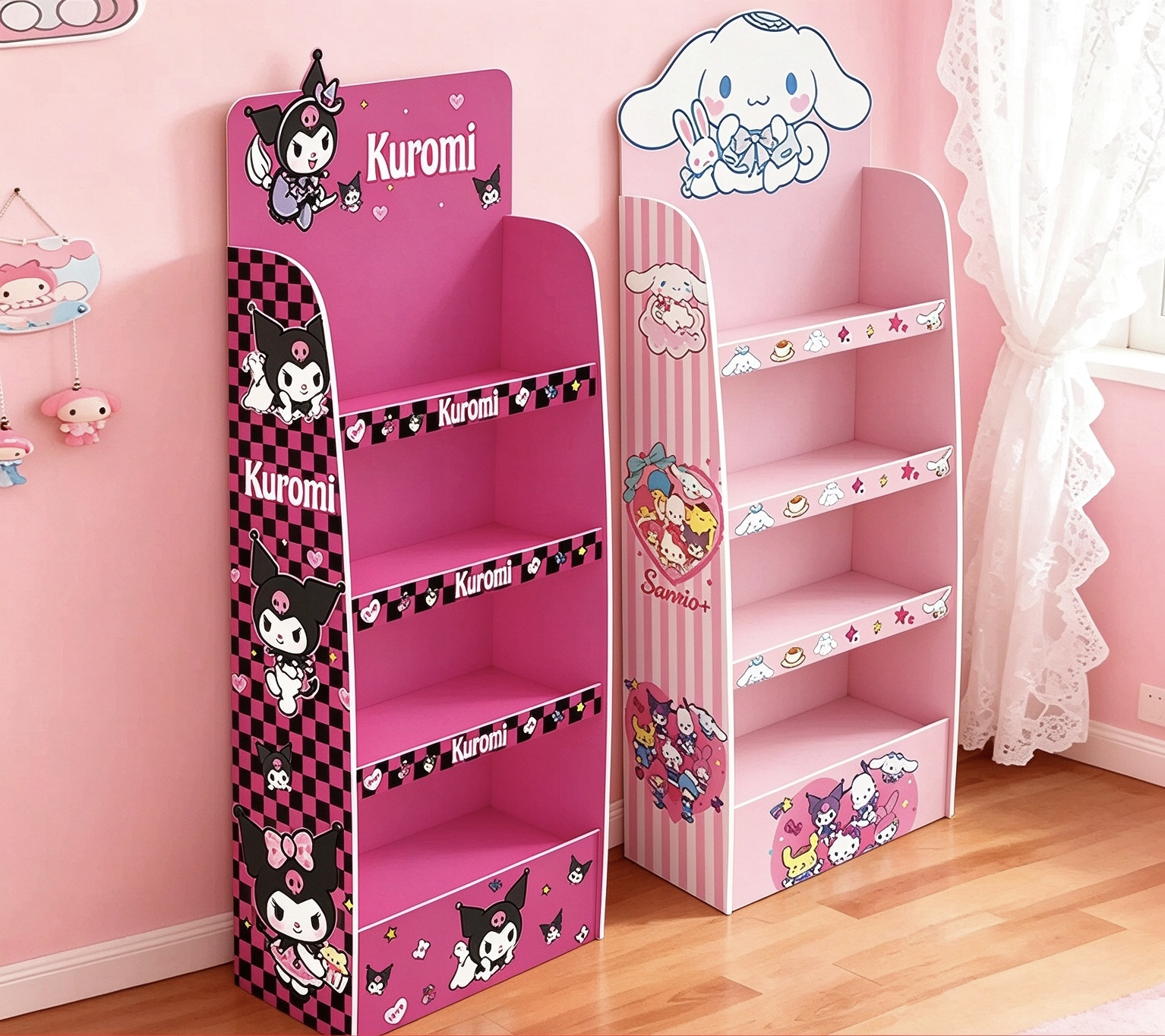
Elevate store environments with custom retail store displays. Learn how hybrid steel, cast acrylic, and wood fixtures build brand image and sales.
2026/10/30
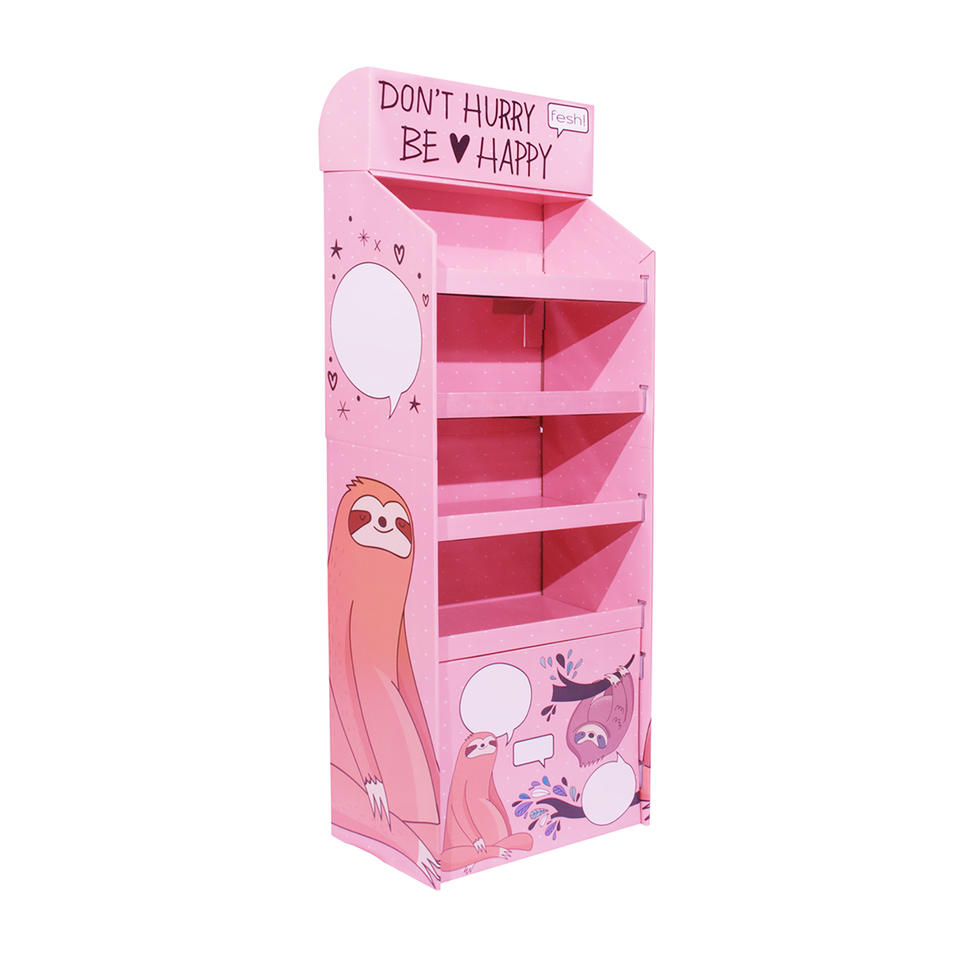
Maximize visual impact with cardboard display stands. See how high-ECT corrugated boards, flat-pack logistics, and rapid lock tabs lower marketing costs.
2026/10/30
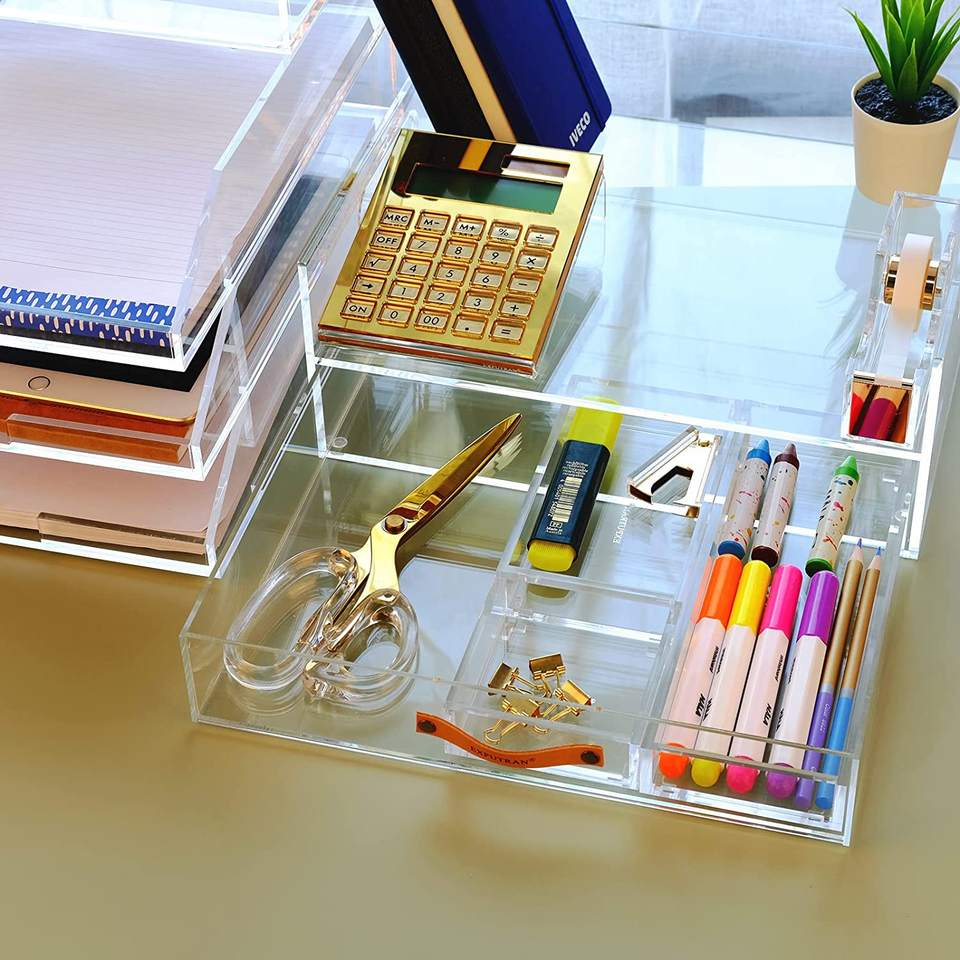
Elevate unboxing with a custom display box. Learn how rigid greyboards, G7-certified litho-printing, and high-density EVA foam protect premium goods.
2026/10/30
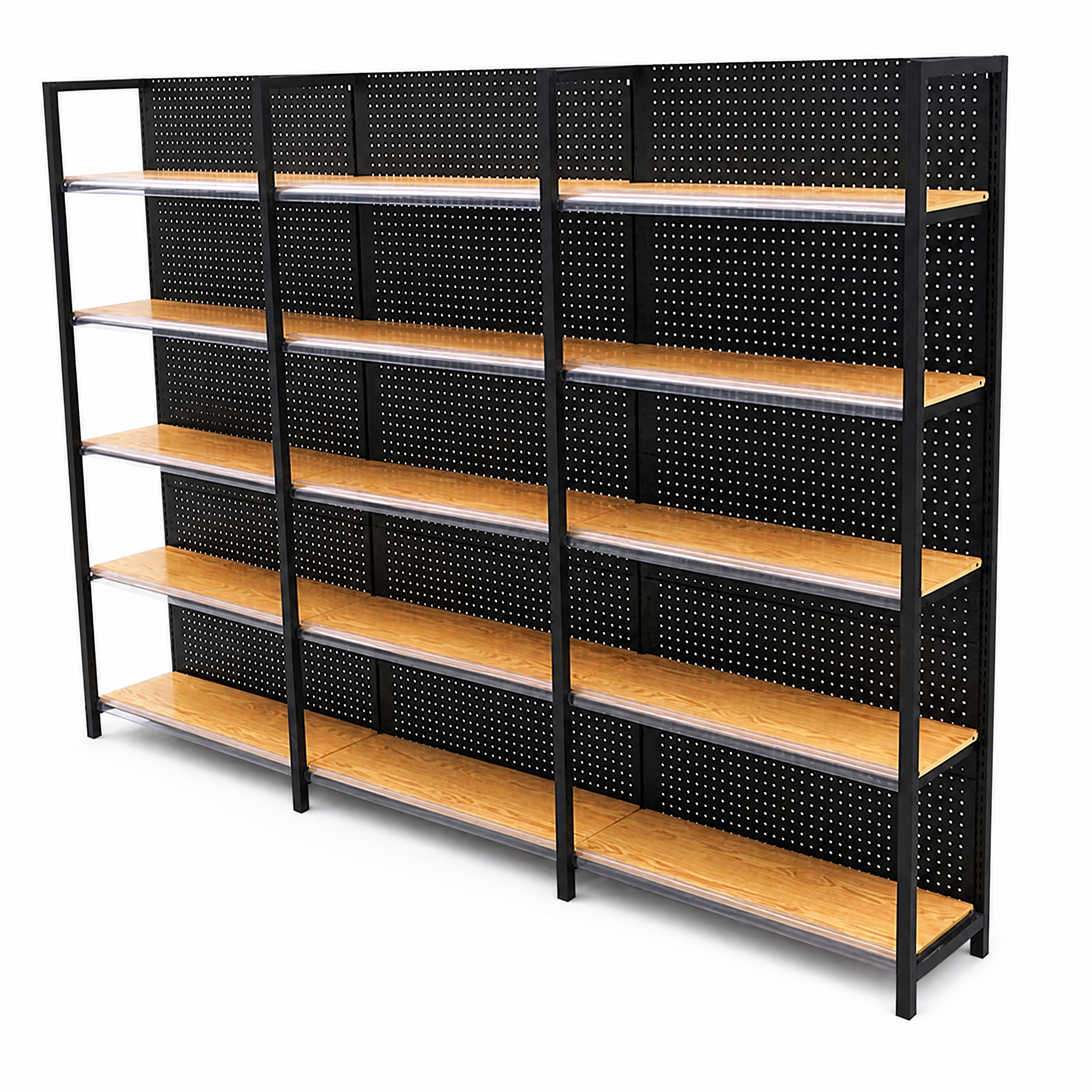
Optimize product flow with a heavy-duty Display Rack. Learn how cold-rolled Q235 steel frames, teardrop locks, and gravity flow decks cut pick times.
2026/10/30
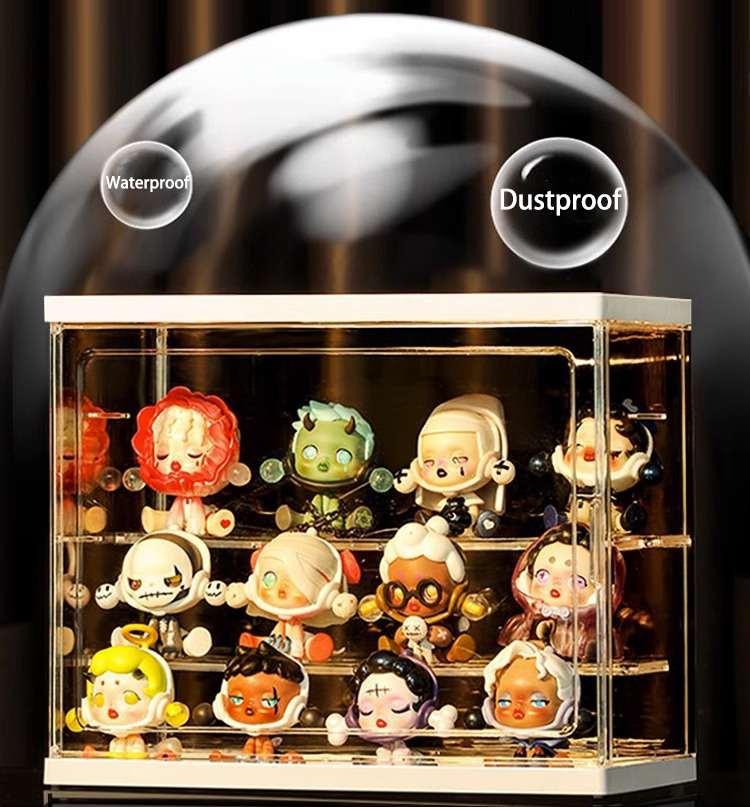
Secure premium micro-goods with countertop display case units. See how diamond-polished cast acrylic and magnetic lock latches boost impulse sales.
2026/10/30
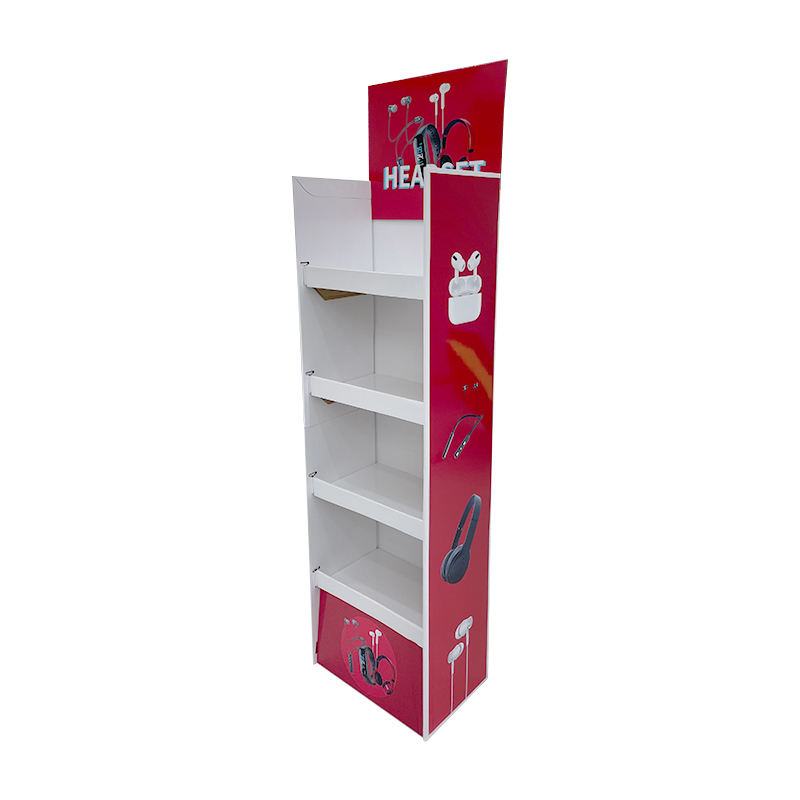
Boost retail sales with sustainable carton displays. Learn how FSC corrugated boards and eco-friendly soy inks cut carbon footprints and waste fees.
Follow our brand-latest updates, including key-client cooperation, trade-fair activities and daily-life snapshots of our factory-team.

Enhance the retail experience with custom makeup display stands, providing both functionality and modern aesthetics for cosmetic brands.

Upgrade your products’ shelf appeal and protection with innovative gift box packaging designed for cosmetics, electronics, and accessories.

Promote your brand with advertising display racks, featuring flexible configurations for showrooms, events, and point-of-sale promotions.
Comprehensive design, prototyping, and logistics for global custom display stand demands

Communicate your display size, material, structure, brand logo and store-scene requirements.
Produce renderings and structural drawings, optimize shelf layout, dooropening style and detailstructure.

Make physical prototype, test stability, appearance and assembly effect, modify details as your feedback.

Start formal mass-production after sample approval, strictly control quality, packaging and delivery cycle.